
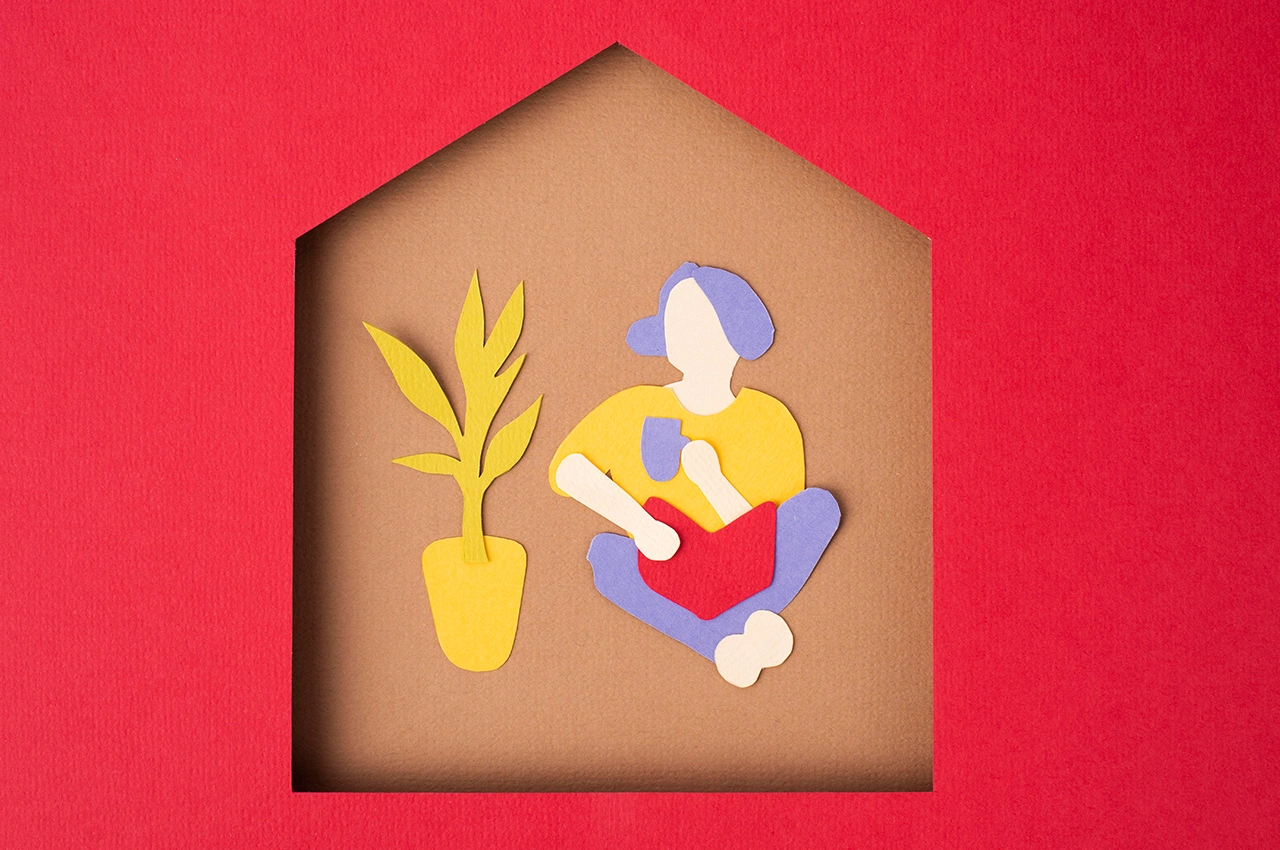
In today’s fast-paced world, our homes often reflect the chaos of our lives. Clutter can overwhelm the senses, creating stress and reducing our ability to relax and focus. Embracing the philosophy of “less is more” promotes calm, clarity, and intentional living. Minimalism is not about deprivation; it’s about prioritizing what truly matters and creating spaces that nurture well-being and creativity. This guide explores practical strategies to achieve a clutter-free home and a calmer lifestyle.
1. Understanding the Concept of Less
Minimalism goes beyond aesthetics. It is a mindset that values simplicity, quality, and purpose over excess.
Key principles:
- Focus on meaningful possessions rather than accumulating items.
- Prioritize quality over quantity in furniture, decor, and personal belongings.
- Make intentional choices that support a functional and calming environment.
- Create spaces that allow for relaxation, reflection, and creativity.
Understanding minimalism as a lifestyle, not just a design trend, ensures lasting impact.
2. Decluttering Your Space
Decluttering is the foundation of calm and clutter-free living. By removing unnecessary items, you create room for what truly matters.
Effective decluttering strategies:
- Sort belongings into categories: keep, donate, or recycle.
- Tackle one room or area at a time to avoid feeling overwhelmed.
- Be honest about what you actually use and cherish.
- Store essential items neatly and out of sight to maintain visual clarity.
Regular decluttering fosters both physical and mental clarity.
3. Prioritizing Functionality
A calm home is also a functional home. Spaces should be organized to support daily routines, reduce stress, and increase efficiency.
Tips for functional living spaces:
- Invest in furniture that serves multiple purposes, like storage ottomans or foldable tables.
- Keep frequently used items easily accessible and less-used items stored.
- Arrange rooms to allow easy movement and flow.
- Limit decor to pieces that enhance both form and function.
Functionality ensures your home is practical while maintaining a sense of calm.
4. Thoughtful Use of Color
Color can significantly influence the perception of space and mood. Minimalist design often favors neutral and muted tones to create serenity.
Color strategies:
- Use whites, creams, and soft greys as base colors.
- Introduce subtle accent colors through cushions, throws, or artwork.
- Avoid overly busy patterns that distract from simplicity.
- Consider natural materials and textures to add warmth without clutter.
A calming color palette reinforces the sense of space and tranquility.
5. Simplifying Decor
Minimalist decor emphasizes intention over abundance. Each object should have a purpose, whether functional or aesthetic.
Decorating tips:
- Choose statement pieces rather than multiple small objects.
- Display art or sculptures sparingly to highlight their importance.
- Use open shelving and hidden storage to maintain clean surfaces.
- Rotate decorative items seasonally to refresh spaces without adding clutter.
Simplifying decor ensures your home feels organized, serene, and meaningful.
6. Embracing Mindful Living
Minimalism extends beyond the physical environment—it encourages mindfulness in daily life. A clutter-free home supports mental clarity and intentional choices.
Mindful practices:
- Establish routines that prioritize calm and focus.
- Practice gratitude for possessions that truly serve you.
- Reduce distractions by limiting technology or excessive stimuli in living spaces.
- Use quiet corners for reflection, meditation, or reading.
Mindful living complements minimalism, fostering a sense of balance and purpose.
7. Designing for Open Space
Open and airy spaces amplify the feeling of calm and reduce visual chaos. The layout and arrangement of furniture play a key role.
Design strategies:
- Arrange furniture to maximize flow and openness.
- Leave negative space around key pieces to enhance focus and balance.
- Use mirrors or glass surfaces to reflect light and expand the perception of space.
- Avoid overcrowding rooms with unnecessary furniture or objects.
Thoughtful spatial design reinforces the principles of calm, clutter-free living.
8. Maintaining the Minimalist Lifestyle
Creating a clutter-free home is an ongoing practice. Consistency ensures your home remains a sanctuary rather than reverting to chaos.
Maintenance tips:
- Regularly evaluate belongings and remove items no longer needed.
- Introduce new purchases mindfully, focusing on quality and purpose.
- Keep surfaces and storage organized to prevent clutter accumulation.
- Encourage family or housemates to embrace shared minimalist practices.
Sustained attention and intention help maintain a peaceful, clutter-free environment.