
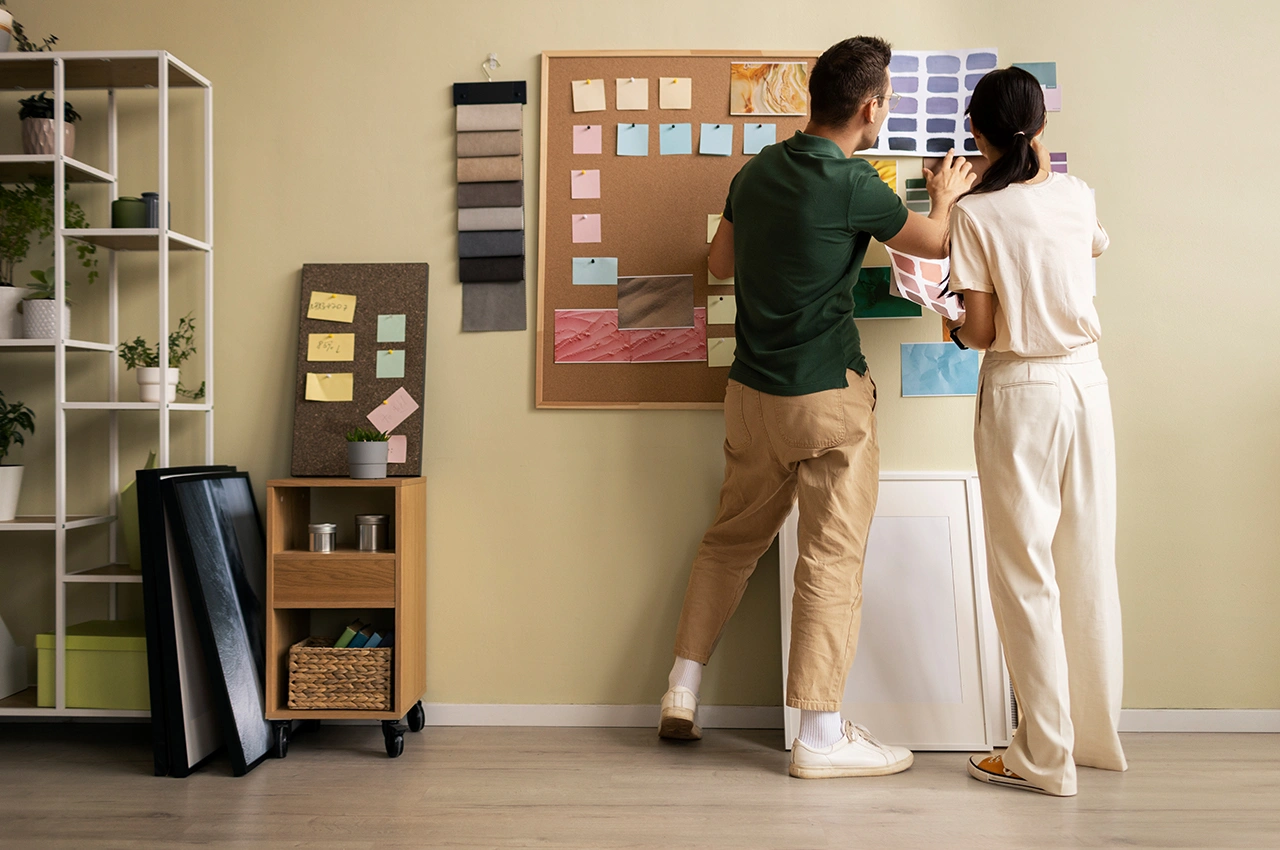
Inspiration is often imagined as something rare or extraordinary, but in reality, it lives quietly in our everyday surroundings. Art and design shape how we see, feel, and interact with the world, influencing creativity in subtle yet powerful ways. From the objects we use to the spaces we inhabit, creative influence surrounds us daily. When we learn to notice it, inspiration becomes part of ordinary life rather than something to chase.
The Presence of Art in Daily Life
Art is not limited to galleries or museums. It exists in everyday forms that influence mood and perception.
Everyday examples of art include:
- Illustrations on book covers and magazines
- Murals, signage, and street art
- Product packaging and branding
- Digital visuals and typography
These visual elements shape how we experience daily moments and spark creative thought without conscious effort.
Design as a Functional Form of Creativity
Design blends creativity with purpose. It solves problems while expressing ideas, making it one of the most accessible sources of inspiration.
Design influences creativity through:
- Thoughtful layouts that guide movement and attention
- Functional objects that combine beauty and usability
- Visual balance that creates clarity and comfort
- Intentional use of materials and textures
Good design demonstrates how creativity can be practical, encouraging creative thinking in everyday decisions.
Visual Stimuli and the Creative Mind
The brain responds to visual input constantly. Art and design feed the mind with shapes, colors, and patterns that stimulate imagination.
Creative effects of visual exposure:
- Colors influence mood and emotional response
- Patterns inspire rhythm and structure
- Contrast highlights focus and direction
- Composition teaches balance and storytelling
Visual stimuli quietly shape creative instincts over time.
Inspiration Through Observation
Creativity often begins with noticing. Art and design encourage observation by inviting viewers to slow down and engage.
Ways observation fuels creativity:
- Studying how light interacts with surfaces
- Noticing symmetry and asymmetry in design
- Observing emotional responses to visual elements
- Understanding how details contribute to the whole
Observation transforms everyday visuals into sources of insight.
Spaces Designed to Inspire
The environments we occupy influence how creative we feel. Thoughtfully designed spaces encourage focus, calm, and imagination.
Creative spaces often include:
- Clean, uncluttered layouts
- Natural light and soft color palettes
- Art that reflects personality and mood
- Functional furniture that supports comfort
These spaces do not overwhelm; they invite creative flow.
Emotional Connection to Art and Design
Art and design evoke emotion, and emotion is a powerful driver of creativity. Personal connection deepens creative engagement.
Emotional influences include:
- Memories triggered by visual elements
- Comfort created by familiar aesthetics
- Curiosity sparked by unfamiliar styles
- Inspiration drawn from meaningful symbolism
Emotional resonance turns observation into creative motivation.
Learning Through Exposure
Regular exposure to art and design builds visual literacy and creative confidence.
Benefits of consistent exposure:
- Broader creative perspective
- Improved aesthetic awareness
- Increased willingness to experiment
- Stronger personal style development
Over time, creative influence becomes intuitive rather than analytical.
Creativity Beyond the Studio
Art and design inspire creativity beyond traditional creative spaces. They influence problem-solving, communication, and daily thinking.
Creative spillover effects:
- Innovative approaches to everyday tasks
- Improved storytelling and expression
- Enhanced appreciation for detail
- Greater adaptability and openness
Creativity becomes a mindset rather than a separate activity.
Integrating Art Into Everyday Life
Making art and design part of daily routines strengthens creative awareness.
Simple ways to integrate creativity:
- Display art that resonates personally
- Surround yourself with thoughtful design
- Follow artists and designers for inspiration
- Reflect on how visuals affect your mood
These small actions keep creativity present and accessible.